
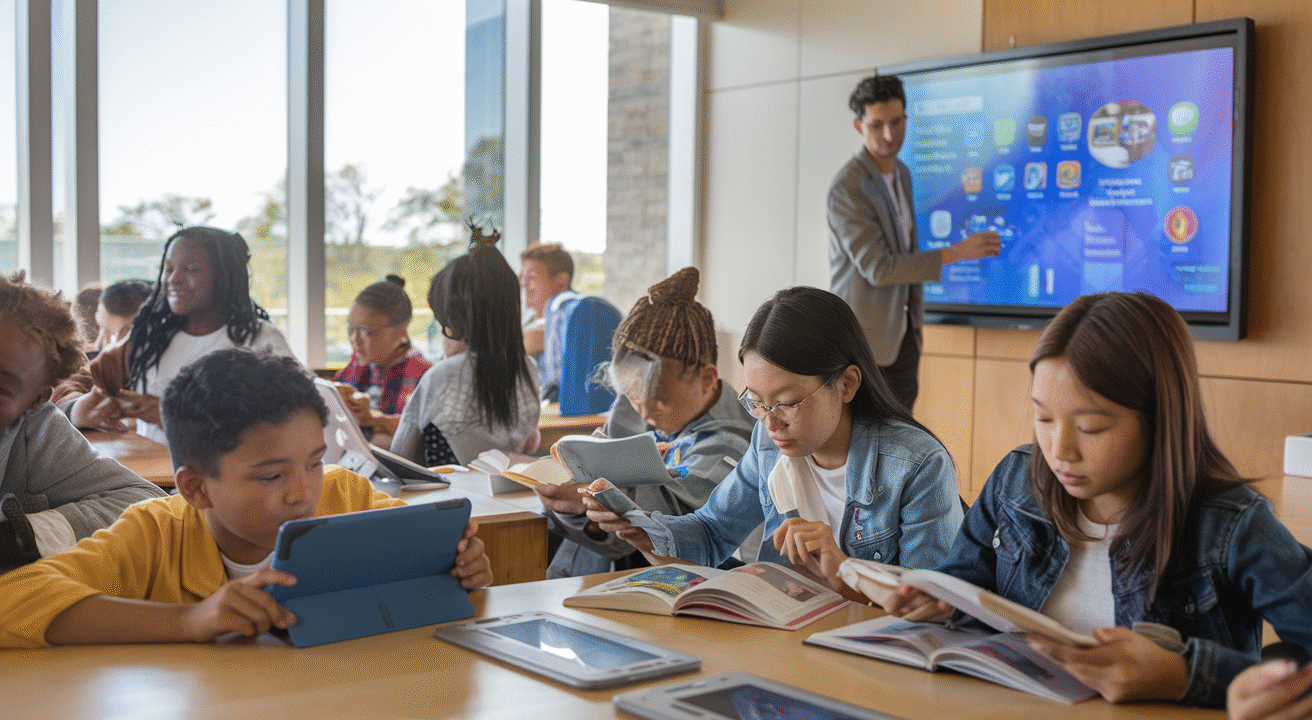
Ever feel like your students are staring at their screens more than at you? You’re not alone. A shocking 87% of teachers report their biggest classroom challenge is competing with TikTok for attention spans.
I’m going to show you exactly how to turn those distractions into learning tools – without becoming a tech guru overnight.
The debate about technology’s use in education isn’t new, but it’s reached fever pitch since the pandemic forced virtual learning on millions. Some teachers discovered digital magic; others found nothing but glitches and glazed-over eyes.
But here’s what nobody’s talking about: the secret sweet spot where tech amplifies learning without replacing human connection. And it’s simpler to find than you might think.
Transforming Learning Environments with Technology
Enhanced Engagement Through Interactive Digital Tools
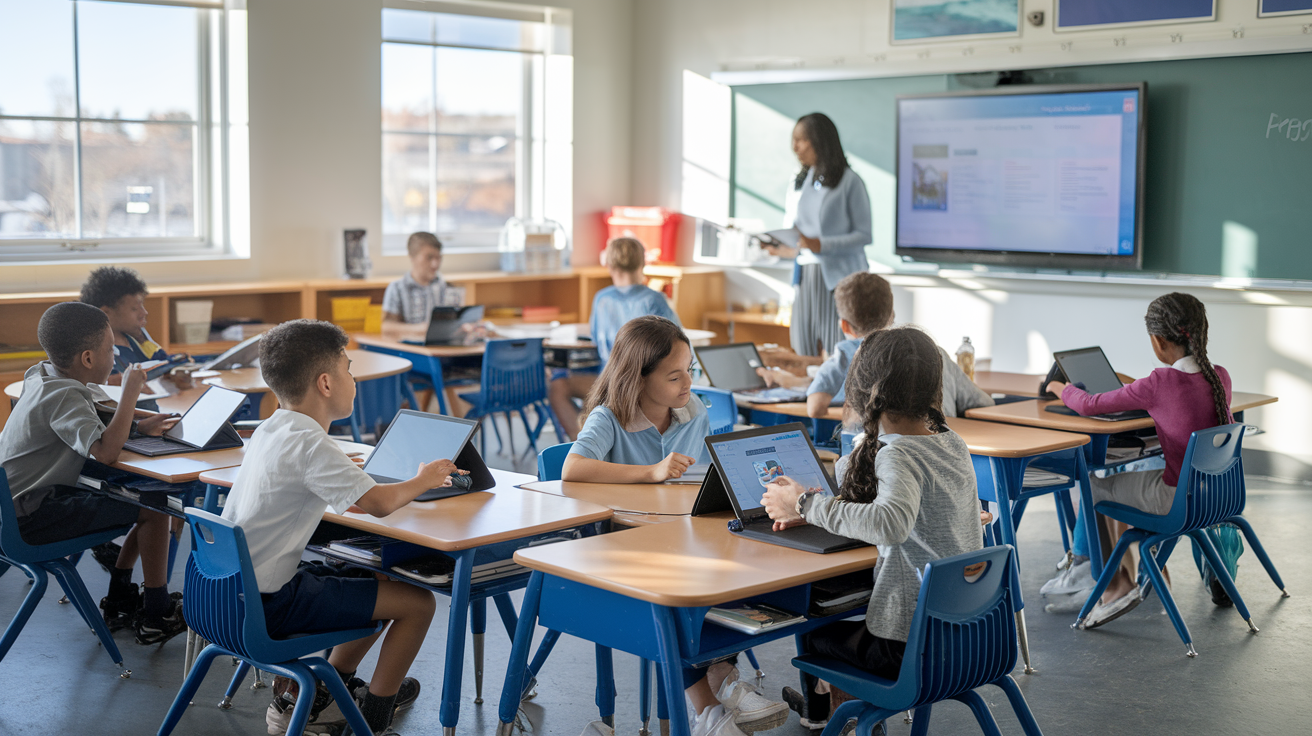
Remember when classrooms were just textbooks and chalkboards? Not anymore. Today’s tech-powered classrooms are buzzing with interactive whiteboards, VR headsets, and gamified learning platforms that make traditional methods look like ancient history.
Students who once dozed off during lectures are now actively participating in digital simulations and interactive quizzes. Why? Because these tools speak their language. They’ve grown up with screens and instant feedback.
Take my friend’s 7th-grade classroom, where math concepts come alive through augmented reality. His students can manipulate 3D shapes and see abstract concepts in action. The result? Test scores up 23% and discipline problems down by half.
Interactive tools work because they hit multiple senses at once. When a student can see, hear, and manipulate information, it sticks better than any lecture ever could.
Personalized Learning Paths for Different Learning Styles
No two students learn the same way. That’s not news, but our ability to actually do something about it? That’s revolutionary.
With adaptive learning platforms, students can now progress at their own pace. The quick learners zoom ahead while those needing more time get it—without the stigma or holding others back.
These systems use sophisticated algorithms to identify where students struggle and adjust accordingly. A student weak in fractions but strong in geometry gets a customized experience that traditional classroom settings simply can’t deliver.
The impact is huge:
- 87% of teachers report better student outcomes with personalized learning
- Students show 30% higher completion rates for personalized courses
- Learning gaps narrow significantly when content adapts to individual needs
Expanded Access to Educational Resources
The digital revolution has blown the doors off traditional resource limitations. Students in remote areas now access the same quality materials as those in wealthy districts—all it takes is an internet connection.
Open educational resources (OERs) have democratized learning in ways we couldn’t imagine even ten years ago. A cash-strapped school in rural America can use the same cutting-edge science materials as a private school in Manhattan.
Digital libraries offer millions of books at no cost. Virtual field trips transport students to the Egyptian pyramids or coral reefs without leaving their desks. Expert lectures from prestigious universities are available to anyone with a smartphone.
This access revolution doesn’t just level the playing field—it completely redesigns it.
Development of Digital Literacy Skills
Today’s kindergartners will graduate into jobs that don’t even exist yet. But one thing’s certain: those jobs will require digital fluency.
When technology integrates into education, students develop critical digital skills organically. They’re not just learning math or history; they’re learning to navigate digital platforms, evaluate online information, and protect their digital privacy.
These aren’t optional skills anymore—they’re survival tools. Students who can code, collaborate virtually, and adapt to new technologies will thrive. Those who can’t will struggle.
The best part? These skills develop naturally when technology becomes part of everyday learning. Students don’t see it as an extra subject—it’s just how learning happens now.
Improved Collaboration Opportunities
Technology has transformed collaboration from a classroom activity to a global experience. Students today partner with peers across continents as easily as they once worked with classmates at the next desk.
Cloud-based tools enable real-time collaboration on projects, with multiple students contributing simultaneously. No more waiting turns or relying on one group member to compile everyone’s work.
Digital platforms break down traditional barriers:
- Shy students often contribute more freely in digital spaces
- Language barriers diminish with translation tools
- Time zone differences become learning opportunities rather than obstacles
When a history class in Boston collaborates with students in Tokyo on a World War II project, both groups gain perspectives impossible in isolated classrooms. The learning deepens, broadens, and sticks.
Academic Advantages of Educational Technology
Immediate Feedback Mechanisms
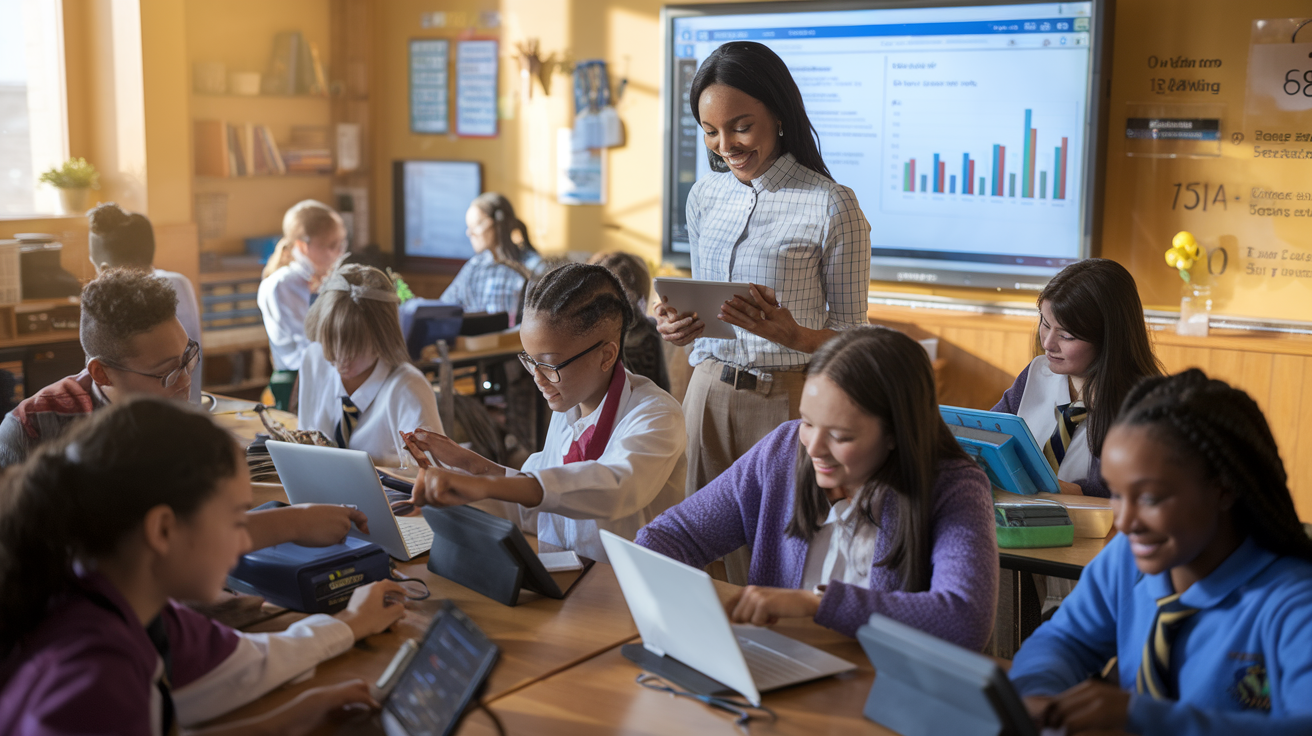
Gone are the days when students had to wait days or weeks to know how they performed. Educational technology has completely transformed this experience. Now, students get instant feedback on quizzes, assignments, and even complex projects.
Think about it—when a student submits an answer and immediately learns whether they’re on the right track, they can adjust their understanding right away. No more practicing the wrong method for days before finding out they’ve been making the same mistake repeatedly.
Apps like Kahoot! and Quizlet have turned feedback into something students actually look forward to. They’re engaging, immediate, and surprisingly effective at reinforcing learning.
Data-Driven Teaching Decisions
Teachers used to rely mostly on gut feelings and limited test scores. Now? They have mountains of actionable data at their fingertips.
Digital platforms track everything—from how long a student spent on a problem to which concepts they struggle with most. This isn’t just numbers for the sake of numbers; it’s intelligence that transforms teaching.
A teacher can now see that 80% of their class struggled with fractions and dedicate the next lesson to addressing that specific gap. They can identify which students need extra help with certain topics before those students fall behind.
This precision targeting wasn’t possible before. Modern teachers aren’t just teaching—they’re teaching smarter.
Streamlined Assessment Processes
Remember those massive stacks of papers teachers used to grade by hand? Technology has pretty much eliminated that nightmare.
Digital assessments can now:
- Grade multiple-choice questions automatically
- Check for plagiarism with sophisticated algorithms
- Provide rubric-based feedback consistently
- Track improvement over time without extra work
This isn’t just about saving time (though that’s a huge plus). It’s about consistent, objective assessment that removes human bias and fatigue from the equation.
Teachers report gaining back 5-10 hours weekly when using automated grading systems—hours they can reinvest in actually teaching.
Access to Global Expertise and Knowledge
The classroom walls have effectively disappeared. Today’s students can:
- Watch lectures from Nobel Prize winners
- Access primary sources from libraries across the world
- Collaborate with peers in different countries
- Participate in courses taught by leading experts regardless of location
Before educational technology, a student’s learning was limited by their local resources. A rural school might not have had advanced textbooks or specialized teachers. Those barriers have crumbled.
Now, a curious high schooler in a remote area can take university-level courses online, participate in global science projects, and access the same information as students at elite institutions. This democratization of knowledge might be technology’s greatest gift to education.
Potential Drawbacks and Challenges
A. Digital Divide and Equity Concerns
While technology offers amazing benefits in education, not every student has equal access. Many kids still don’t have reliable internet at home, especially in rural or low-income areas. Picture this: some students complete assignments on high-speed connections using the latest devices, while others struggle to get online at all.
This gap creates a two-tier education system. When teachers assign digital homework, they’re unknowingly penalizing students without proper tech access. During the COVID-19 pandemic, this divide became painfully obvious – some kids thrived with online learning while others virtually disappeared from the education system.
And it’s not just about having devices. Digital literacy varies wildly among students, teachers, and parents. A tablet is useless if you don’t know how to use it effectively for learning.
B. Screen Time and Health Considerations
Too much screen time isn’t doing our kids any favors. Many students already spend hours on devices for entertainment, and now education adds even more digital exposure. The health impacts are real:
- Eye strain and vision problems
- Sleep disruption from blue light exposure
- Physical issues from poor posture and reduced movement
- Mental health concerns including increased anxiety and depression
Teachers report attention spans shrinking as students become accustomed to fast-paced digital stimulation. Many kids struggle to focus on longer reading passages or complex problems without the dopamine hits that technology typically provides.
C. Technical Difficulties Disrupting Learning
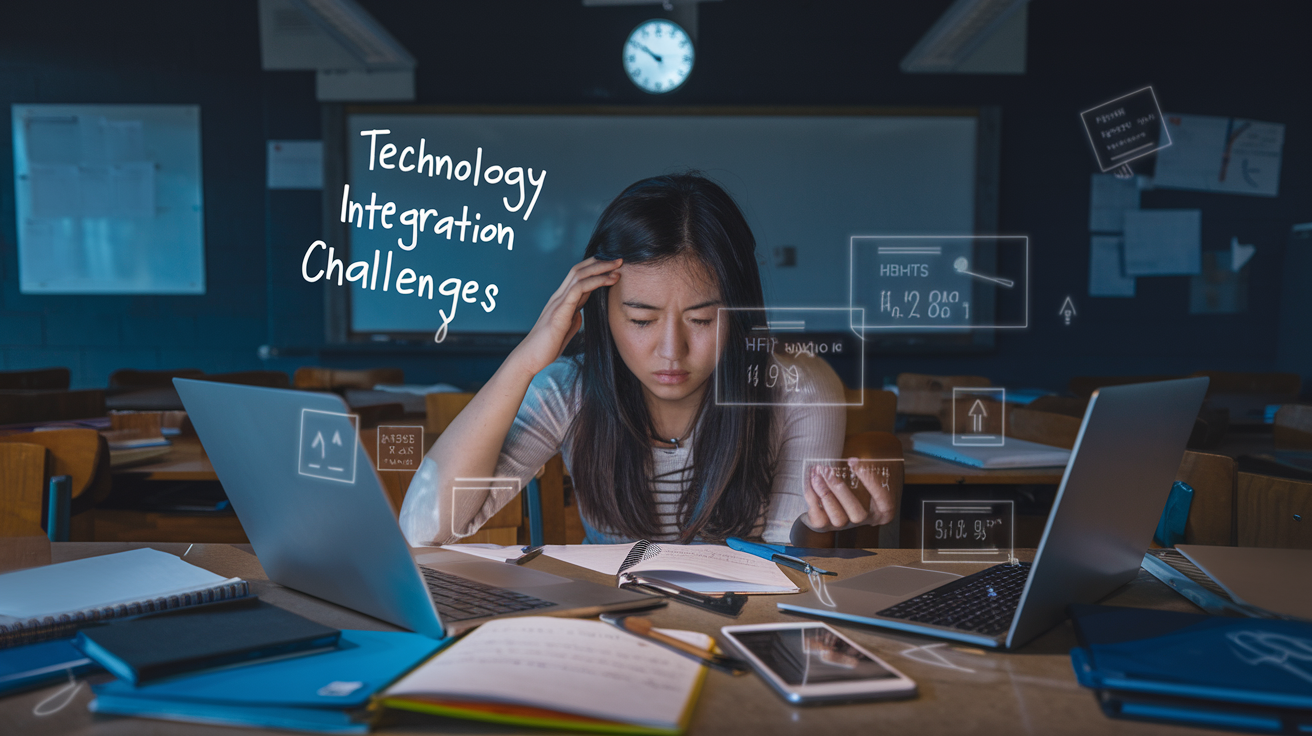
Nothing derails a lesson faster than tech problems. We’ve all been there – the video won’t play, half the class can’t log in, or the internet crashes mid-lesson.
These disruptions eat up valuable teaching time. A 45-minute class can quickly become a 25-minute class after resolving technical issues. For teachers who meticulously plan every minute, these interruptions are more than annoying – they’re educationally costly.
Many educators lack proper IT support, especially in underfunded districts. When something breaks, classes might wait days or weeks for resolution.
D. Cost of Implementation and Maintenance
The price tag for educational technology is massive. Schools face:
- Initial hardware purchases (devices, servers, infrastructure)
- Software licenses and subscription services
- Regular upgrades as technology quickly becomes obsolete
- Training costs for staff
- IT support personnel
Many districts invest heavily in technology while cutting other essential programs like arts, music, or even teaching positions. The question becomes whether the educational returns justify these significant investments.
And let’s talk maintenance – devices break constantly in school environments. Repair costs and replacement cycles create ongoing budget pressures that many schools struggle to manage.
E. Dependency Reducing Traditional Skills
As we embrace digital tools, some fundamental skills are fading away. Handwriting has declined dramatically, with some students struggling to write legibly for extended periods. Mental math abilities have weakened as calculators handle even basic operations.
Research skills have transformed too. Instead of learning to navigate libraries and evaluate sources critically, students often just Google answers and accept the first result.
Critical thinking sometimes takes a back seat to information retrieval. The ability to recall and apply knowledge independently matters less when answers are always a click away.
Impact on Student Development

Effects on Critical Thinking Abilities
Technology has revolutionized how students develop critical thinking skills. When kids use educational apps that challenge them to solve complex problems, they’re building mental muscles they wouldn’t develop through traditional worksheets.
Take coding platforms like Scratch—they force students to break down problems into manageable chunks and troubleshoot when things go wrong. That’s real-world critical thinking in action!
But here’s the flip side: excessive reliance on search engines can create a generation of “Google-first” thinkers who struggle with independent analysis. Why wrestle with a challenging concept when you can ask ChatGPT for the answer?
The sweet spot? Using technology as a tool that enhances—not replaces—the critical thinking process. Schools that balance tech-based learning with offline debate, discussion, and independent problem-solving see the best results.
Changes in Attention Span and Focus
We’ve all heard the claims: “Technology is destroying kids’ attention spans!” But is that really the whole story?
Studies show the average attention span has indeed shortened from about 12 seconds in 2000 to 8 seconds today. That’s shorter than a goldfish’s 9-second attention span! Digital environments train our brains to process information quickly and jump between tasks.
But what looks like distraction might actually be adaptation. Today’s students are developing “spotlight attention”—the ability to rapidly shift focus between different information streams. This skill proves valuable in certain modern workplace environments.
The downside? Deep, sustained focus—crucial for complex learning—suffers. Many students struggle to read lengthy texts or engage with challenging material that doesn’t provide instant gratification.
Teachers who implement focused tech-free periods, mindfulness practices, and structured digital literacy education help students develop both types of attention skills.
Social Skill Development in Digital Environments
Digital natives navigate a social landscape vastly different from previous generations. Online multiplayer games, social media, and collaborative digital workspaces create unique opportunities for social development.
Shy students often find their voice in digital spaces. The teen who barely speaks in class might lead a guild of 50 players in an online game, developing leadership and communication skills that eventually transfer to real-world settings.
Virtual collaboration tools also prepare students for the modern workplace, where remote teamwork is increasingly common. Students learn to coordinate across time zones, manage shared documents, and communicate effectively without face-to-face cues.
The darker side? Digital communication lacks the richness of in-person interaction. Facial expressions, tone of voice, and body language—all crucial elements of emotional intelligence—are diminished or absent online.
Many schools now intentionally balance digital and in-person social experiences, recognizing that both environments develop complementary social skills needed for success.
Preparation for Technology-Driven Workplaces
The jobs of tomorrow barely exist today. We’re preparing students for careers we can’t even imagine yet—but one thing’s certain: they’ll be technology-intensive.
By integrating digital tools into education, we’re building technological fluency that will serve students regardless of their chosen field. From healthcare to construction, every industry is becoming more tech-dependent.
Students who learn with technology develop adaptability—perhaps the most valuable skill in rapidly evolving workplaces. They become comfortable with learning new systems, troubleshooting problems, and leveraging digital tools to enhance their work.
Digital portfolios, coding experience, and familiarity with industry-standard software give students tangible advantages when entering the job market. They speak the language of modern workplaces before they even arrive.
Critics argue that emphasizing technological skills might shortchange timeless competencies like interpersonal communication and creative thinking. The most forward-thinking educational approaches recognize this tension and design learning experiences that develop both traditional and digital competencies simultaneously.
Implementation Best Practices
Balancing Tech and Traditional Methods
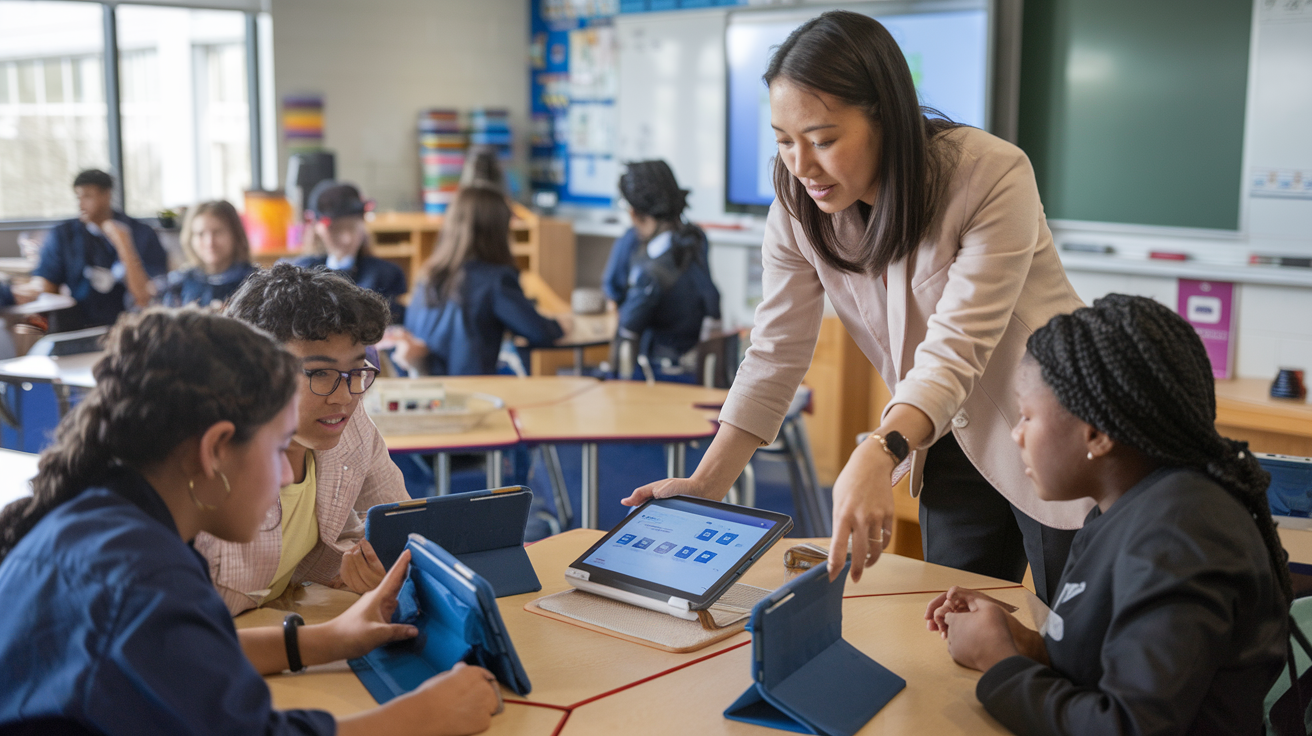
Technology doesn’t belong in every learning moment. The best classrooms I’ve seen blend digital tools with good old-fashioned teaching.
Think about math class. Students might use interactive software to practice equations one day, then work through problems with pencil and paper the next. This mix keeps kids engaged while ensuring they develop both digital skills and fundamental abilities like mental math.
The sweet spot? About 60% traditional and 40% tech-based instruction. Too much screen time and you lose the human connection that makes learning stick. Too little and students miss developing crucial digital literacy.
Smart teachers use tech where it adds real value:
- Complex simulations for science concepts
- Digital feedback for writing assignments
- Adaptive programs for personalized math practice
And they keep tech far away from activities requiring deep focus or interpersonal skills.
Teacher Training and Support Systems
Most ed-tech fails because teachers get fancy new tools dumped on them with minimal training. No wonder they resist!
Effective tech implementation starts with comprehensive professional development – not just one-and-done workshops. Schools seeing real results provide:
- Initial hands-on training sessions
- Regular follow-up coaching
- Time for teachers to practice and plan
- Peer mentoring systems
- On-demand technical support
The difference between schools that waste money on tech and those that transform learning? Support structures.
Teachers need breathing room to experiment, permission to make mistakes, and access to a tech-savvy colleague when things go sideways. Without these supports, that expensive learning management system becomes an expensive paperweight.
Age-Appropriate Technology Selection
Kindergarteners and high schoolers have wildly different tech needs. Yet I’ve watched schools apply one-size-fits-all approaches with predictably poor results.
For the youngest learners (K-2):
- Minimal screen time (20 minutes max per session)
- Simple, intuitive interfaces
- Tools that encourage creativity and exploration
- Tech that supports, not replaces, physical activity
For middle grades (3-8):
- Gradually increased independence
- Tools that build digital citizenship
- Creative production over passive consumption
- Balance between guided and open-ended activities
For high school students:
- Professional-grade tools when possible
- Emphasis on creation and problem-solving
- Technology that mirrors workplace applications
- Opportunities for student-led tech innovation
Matching tech to developmental stages isn’t just nice—it’s necessary for healthy development and effective learning.
Creating Sustainable Technology Plans
Schools love buying shiny new gadgets. They’re not so great at planning for what happens next.
A sustainable tech plan answers these questions:
- How long will these devices realistically last?
- What’s our replacement cycle?
- Who handles repairs and maintenance?
- How will we fund ongoing software subscriptions?
- What happens when today’s cutting-edge tool becomes tomorrow’s obsolete junk?
The savviest schools I’ve worked with set aside 25-30% of their initial tech investment for annual maintenance and updates. They also build capacity within their staff rather than relying entirely on vendors or outside consultants.
Technology decisions should stretch beyond the current budget cycle or administrative tenure. Without long-range planning, schools create expensive digital graveyards of abandoned initiatives.
Involving Parents in Educational Technology Decisions
Parents get understandably nervous when schools transform how their kids learn. Bringing them into the conversation early prevents headaches later.
Smart schools:
- Host tech showcase nights where families can try new tools
- Create simple guides explaining educational benefits
- Provide parent training for home access to school platforms
- Establish clear channels for feedback and concerns
- Include parent representatives on technology committees
When parents understand the “why” behind digital learning tools, they become powerful allies instead of skeptical critics.
The best implementation approaches recognize that technology doesn’t stop at the classroom door. Students need consistent support and understanding from both teachers and parents to maximize digital learning benefits while minimizing potential harms.
Embracing Technology in Education: Finding the Right Balance
Technology has fundamentally transformed educational environments, offering remarkable advantages like personalized learning experiences, enhanced student engagement, and access to vast information resources. While these tools provide opportunities for developing digital literacy and preparing students for future careers, we must also acknowledge the challenges they present—from digital divides and privacy concerns to potential negative impacts on social development and the risk of over-reliance on digital solutions.
The key to successful technology integration lies in thoughtful implementation. Educators and institutions should focus on balanced approaches that leverage technology’s strengths while preserving essential human connections and traditional learning methods. By establishing clear usage guidelines, providing proper training, and regularly evaluating effectiveness, we can harness technology’s power to enhance education while mitigating its drawbacks. The future of education isn’t about choosing between technology and traditional methods—it’s about creating a harmonious blend that serves diverse learning needs and prepares students for success in an increasingly digital world.

Recent Post



Gallery










No Comments