
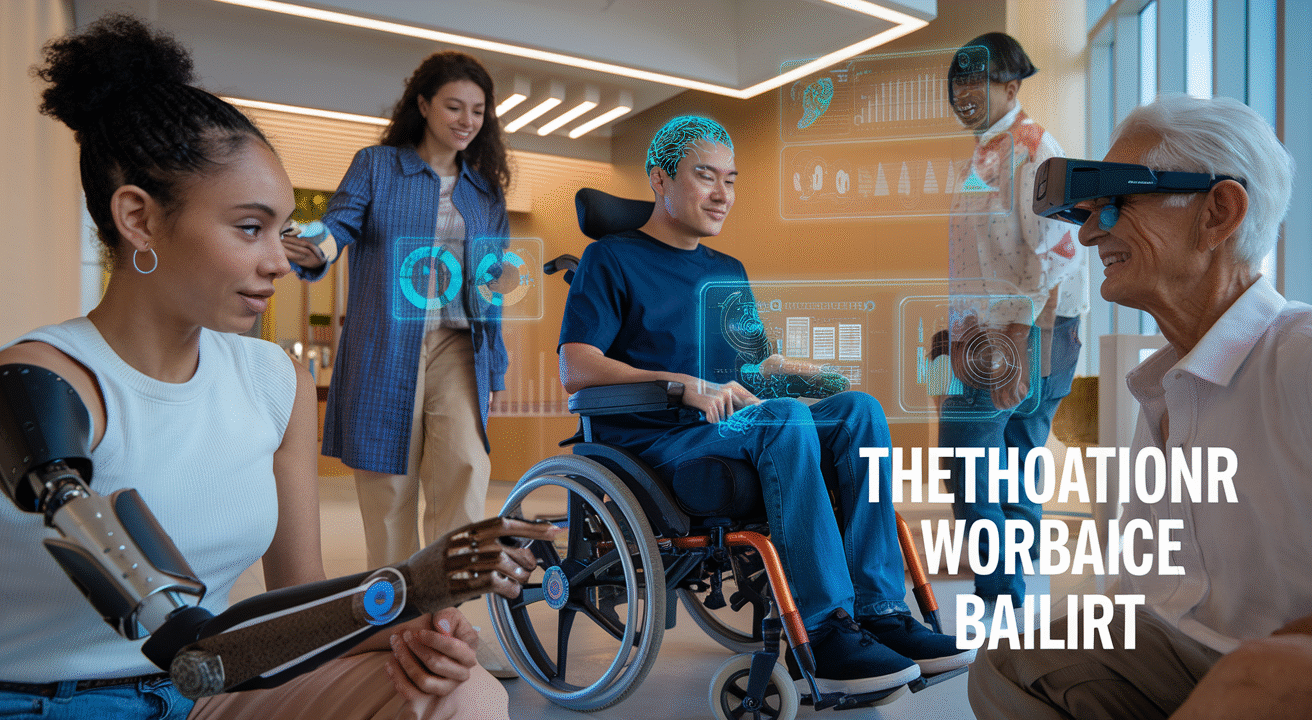
Ever seen someone with paralysis control a computer with just their thoughts? Yeah, that’s not sci-fi anymore. That’s Tuesday for the folks using BrainGate’s new neural interface system.
You’re about to discover five groundbreaking assistive technologies that are completely transforming independence for people with disabilities in 2025.
The assistive technology landscape has exploded recently, with innovations ranging from brain-computer interfaces to AI-powered mobility devices hitting the market faster than most people realize.
But here’s the real kicker – the technology that’s making the biggest impact isn’t the one getting all the headlines. It’s something much more subtle, and way more powerful…
Understanding Different Types of Assistive Technologies
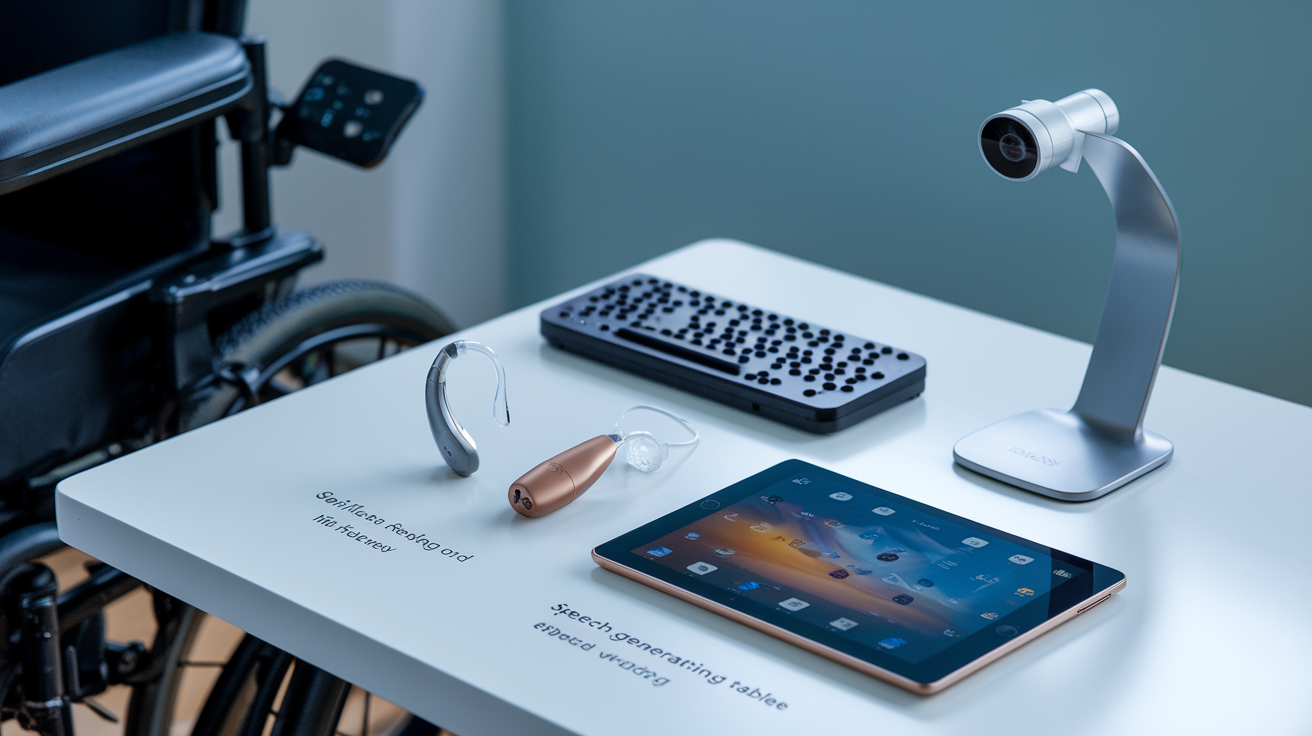
Assistive tech has come so far in the last few years, it’s mind-blowing. The innovations we’re seeing today aren’t just incremental improvements—they’re life-changing breakthroughs for millions of people.
A. Mobility Aids That Transform Daily Movement
Remember when wheelchairs were just… wheelchairs? Those days are gone. Today’s mobility tech is something straight out of sci-fi movies.
Take the WHILL Model Ci2—this isn’t your standard power chair. It’s got all-terrain wheels that tackle gravel, grass, and even snow with ease. And it disassembles in seconds to fit in your car trunk.
Then there’s the Tek RMD (Robotic Mobilization Device), which lets users stand upright while moving around. Picture this: someone who hasn’t been eye-level with standing friends for years suddenly engaging in conversations face-to-face. Game-changer.
Exoskeletons are hitting their stride too. The Phoenix from SuitX weighs just 27 pounds and costs about a quarter of what earlier models did. People with spinal cord injuries are literally walking again.
B. Communication Devices for Enhanced Expression
The communication tech landscape has exploded. Remember Stephen Hawking’s voice synthesizer? Today’s AAC (Augmentative and Alternative Communication) devices make that look primitive.
Eye-tracking systems like Tobii Dynavox let people control computers with just their gaze. Type, browse, video chat—all without lifting a finger.
Brain-computer interfaces are making the impossible possible. The NeuroNode captures tiny muscle movements—even when they’re barely visible to the naked eye—and translates them into speech or text.
Apps like Proloquo2Go adapt to users’ communication styles, learning their preferences and predicting what they might want to say next.
C. Vision Enhancement Technologies
Blind people navigating independently? It’s happening right now.
The OrCam MyEye is a tiny camera that attaches to eyeglasses and literally reads text aloud, recognizes faces, and identifies products. Point at a newspaper article, menu, or even paper money, and it reads it to you instantly.
Envision Glasses take things further by describing entire scenes. “Two people sitting at a coffee shop table with pastries and drinks” becomes the audio description for someone who can’t see it themselves.
The BrainPort V100 completely bypasses the eyes, sending visual information through the tongue instead. Users report being able to identify objects, doorways, and even read large-print letters after training.
D. Hearing Assistance Solutions
Hearing aids? They’re practically supercomputers now.
The Oticon More uses deep neural networks to process sound the way the brain naturally does. It doesn’t just amplify everything—it learns which sounds matter in different environments.
Cochlear implants have gone wireless too. Recipients can stream phone calls, music, and TV directly to their implants. No more straining to hear in noisy restaurants either—directional mics focus on the person you’re talking to.
For the deaf community, the SignAloud gloves translate sign language into spoken words in real-time. The reverse technology—translating speech to text instantly—makes everyday conversations accessible through smart glasses displaying captions.
E. Cognitive Support Systems
Cognitive disabilities present unique challenges, but new tech is stepping up big time.
The MindMate app helps people with dementia maintain independence with medication reminders, brain games, and activity tracking. Caregivers can monitor remotely, providing support only when needed.
For folks with ADHD, the Focus headband measures brain activity and alerts users when concentration dips. It pairs with an app that tracks progress over time, identifying patterns and triggers.
The Memory Lane digital scrapbook helps users with memory impairments reconnect with their past. AI organizes photos chronologically and suggests memory prompts that spark recognition and storytelling.
Latest Innovations in Assistive Tech (2025)
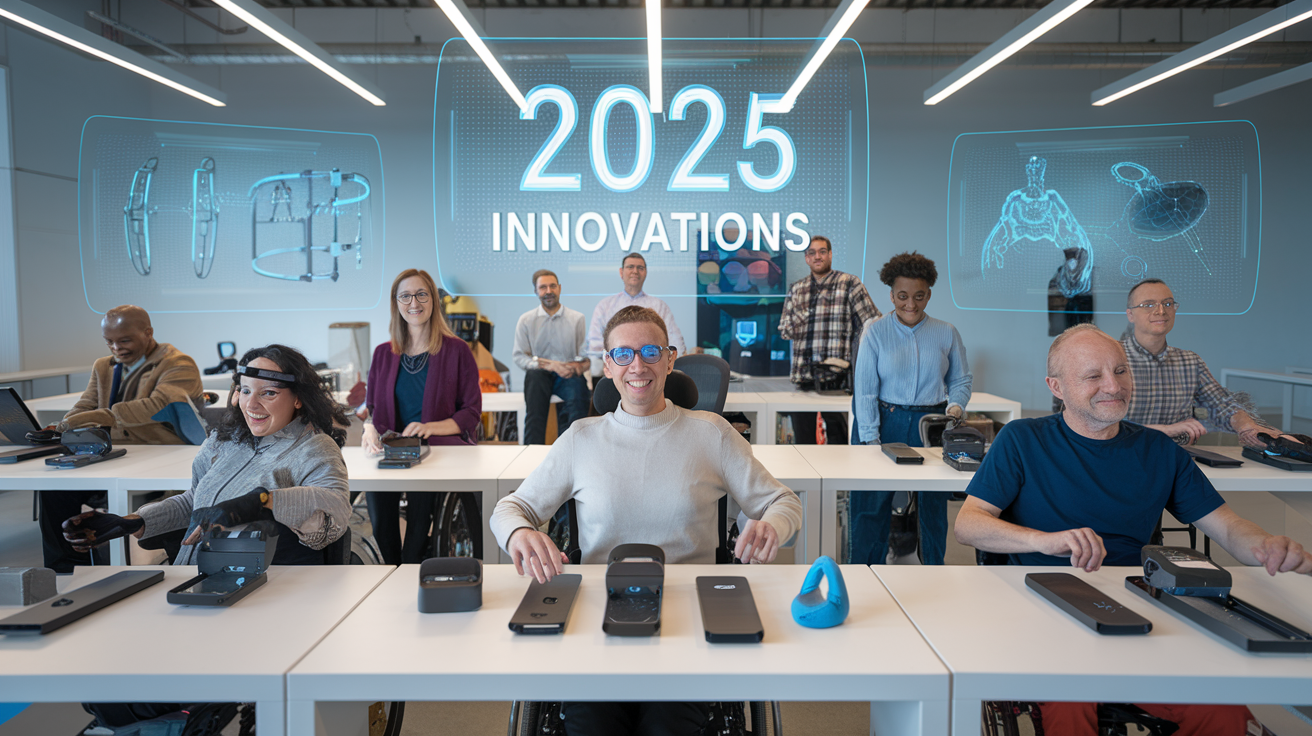
AI-Powered Adaptive Learning Tools
2025 has been a game-changer for adaptive learning tech. Gone are the days when people with learning disabilities had to struggle with one-size-fits-all solutions. The new AI systems actually learn how you learn.
Take the NeuroLearn platform—it tracks eye movements, voice patterns, and even tiny facial expressions to figure out exactly when you’re getting confused. Then it automatically adjusts the lesson. Too fast? It slows down. Too much text? It switches to visual aids.
For kids with dyslexia, the ReadRight glasses are nothing short of miraculous. They use augmented reality to subtly modify text in real-time—spacing letters properly, highlighting syllables, or even reading words aloud when needed.
What’s truly revolutionary is how personal these tools have become. The AI doesn’t just adapt to disabilities in general—it adapts to YOU specifically.
Brain-Computer Interfaces for Accessibility
Brain-computer interfaces (BCIs) have finally moved from sci-fi to your local medical center.
The ThoughtType headset allows people with severe motor limitations to compose emails, browse the web, or control smart home devices using only their thoughts. No voice commands. No eye tracking. Just thinking.
“I hadn’t written my own message in seven years,” says Jamie, a user with advanced ALS. “Now I can text my grandkids whenever I want.”
The newest models can distinguish between hundreds of different thought patterns with 97% accuracy—a massive jump from the 60-70% rates we saw just two years ago.
These systems are getting smaller too. The latest Neuralink Mini is barely visible behind the ear and works wirelessly for up to 48 hours on a single charge.
Advanced Prosthetics with Sensory Feedback
The gap between prosthetics and natural limbs is closing fast. The SensaHand Pro doesn’t just move like a hand—it feels like one too.
Using hundreds of microscopic sensors and neural feedback pathways, users can actually feel texture, pressure, and even temperature. Picking up a warm coffee mug or feeling the softness of a pet’s fur—experiences once lost—are now possible again.
What makes the 2025 models stand out is their learning ability. The more you use them, the more natural they become, adapting to your specific movements and preferences.
“My prosthetic knows exactly how much pressure I need to hold my paintbrush,” explains Tia, a professional artist who lost her arm in an accident. “It’s not just a tool anymore—it’s part of me.”
The price point has dropped dramatically too. Devices that cost over $100,000 in 2023 are now available for under $30,000, with many insurance companies finally covering them.
Wearable Health Monitoring for Independence
Smart health monitors used to be glorified step counters. Not anymore.
The latest wearables provide unprecedented freedom for people with chronic conditions. The VitalBand Plus monitors everything from blood glucose to brain activity patterns, predicting seizures up to 20 minutes before they happen or detecting subtle changes in heart rhythm that might signal a problem.
For seniors or people with cognitive disabilities, the MemoryMate watch provides gentle reminders about medications, appointments, or daily tasks. Its AI can detect confusion through voice patterns and offer help before the user even realizes they need it.
The real breakthrough is in how unobtrusive these devices have become. The NanoSense patches are virtually invisible, conforming to your skin like a temporary tattoo while monitoring dozens of health markers simultaneously.
And everything syncs instantly with healthcare providers. No more describing symptoms—your doctor sees exactly what’s happening in real-time, allowing for immediate adjustments to treatment plans.
How Assistive Technology Improves Quality of Life
A. Increasing Workplace Accessibility and Employment Opportunities
Gone are the days when physical limitations meant career limitations. Today’s assistive technologies are breaking down barriers in workplaces everywhere.
Screen readers have evolved dramatically – they’re not just reading text anymore. They’re describing images, interpreting graphs, and helping visually impaired professionals access complex data visualizations. And the speed? What used to sound like a robot on fast-forward now flows naturally at conversation pace.
Speech-to-text has gotten ridiculously good too. Remember when you had to speak like a robot for these systems to understand you? Now they catch nuances, filter background noise, and even recognize industry jargon.
The game-changer? AI-powered workplace accommodations that adapt in real-time:
- Smart workstations that adjust height, lighting, and screen position based on your needs
- Meeting transcription tools that highlight key points and action items
- Navigation systems guiding wheelchair users through office buildings via the most accessible routes
The numbers don’t lie – companies implementing these technologies are seeing a 35% increase in employees with disabilities staying on long-term. The unemployment gap is finally shrinking.
B. Enhancing Educational Experiences for Students with Disabilities
The classroom revolution is here. Assistive tech is transforming education from a one-size-fits-all model to something that works for everyone.
Smart tablets with customizable interfaces mean students with motor limitations can navigate learning platforms with ease. Dyslexic students are thriving with text-to-speech tools that highlight words as they’re read aloud.
Virtual reality has entered the special education space in a big way. Students with autism spectrum disorders are practicing social interactions in controlled VR environments before navigating real-world scenarios. The confidence boost is incredible.
The coolest development? AI tutors that adapt to individual learning styles. These systems:
- Recognize when a student is struggling with a concept
- Adjust explanation methods on the fly
- Provide alternate ways to demonstrate knowledge beyond traditional testing
Schools report dramatic improvements in engagement and retention when these technologies are implemented. And the social impact? Huge. Inclusive classrooms are becoming the norm, not the exception.
C. Supporting Independent Living
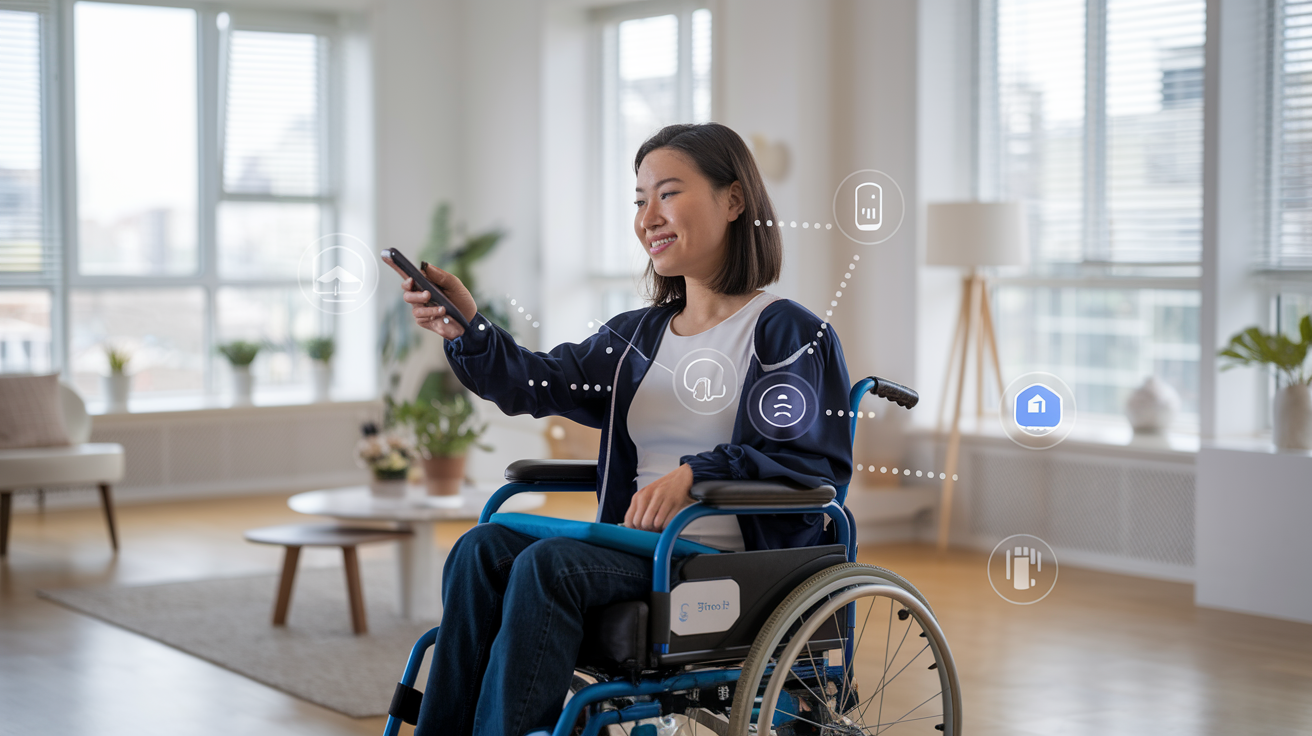
The smart home revolution has been a game-changer for independent living. People with physical disabilities can now control their entire home environment with voice commands or eye-tracking technology.
Remember when “accessible homes” meant ugly grab bars and clinical-looking modifications? Today’s assistive tech blends seamlessly into beautiful living spaces. Think cabinet shelves that lower automatically, countertops that adjust to wheelchair height, and doorways that recognize approaching mobility devices.
Wearable technology has made huge strides too. GPS-enabled devices help people with cognitive impairments navigate their communities safely. Smart watches monitor vital signs and can alert caregivers if something seems off.
The most exciting development? Robotic assistants designed specifically for in-home support:
- Retrieving objects from high shelves or picking up dropped items
- Assisting with meal preparation and medication management
- Providing physical support during transfers
These technologies aren’t just convenient—they’re life-changing. People who once required 24/7 care are managing with just occasional check-ins. The dignity that comes with independence? Priceless.
D. Facilitating Social Connection and Community Participation
The digital divide is finally closing. Social platforms are becoming genuinely accessible, with features like automatic alt-text generation for images and real-time captioning for video calls.
Community events are transforming too. Live captioning at theaters, museums with sensory-friendly hours, and venues with digital wayfinding for visitors with vision impairments are becoming standard practice.
Transportation barriers? They’re falling fast. Ride-sharing apps now include accessibility filters to find vehicles that accommodate mobility devices. Some cities have even launched autonomous shuttle services specifically designed for passengers with disabilities.
The real magic happens when these technologies work together:
- AR glasses that provide social cues for people with autism during group interactions
- Translation services that convert sign language to text and back in real-time
- Community apps that rate and share accessibility information about local businesses
The result? People with disabilities are participating in their communities at unprecedented levels. Sports events, cultural festivals, political rallies – spaces that were once effectively off-limits are now open to everyone.
Navigating Assistive Technology Options

Assessment and Matching Technology to Individual Needs
Finding the right assistive tech isn’t a one-size-fits-all situation. Think about it—would you want someone handing you a device without asking what you actually need?
The best approach starts with a comprehensive assessment by qualified professionals who understand both the technology landscape and individual capabilities. Occupational therapists, speech-language pathologists, and assistive technology specialists typically conduct these evaluations.
A good assessment looks at:
- Physical abilities and limitations
- Cognitive function
- Daily living requirements
- Environmental factors
- Personal goals and preferences
The magic happens when the tech perfectly matches the person. Sometimes it’s the simplest solution that makes the biggest difference in someone’s life.
Funding Resources and Insurance Coverage
The price tags on some assistive technologies can give anyone sticker shock. But don’t panic—there are ways to make these life-changing tools affordable.
Many people don’t realize that several funding options exist:
- Medicare and Medicaid often cover medically necessary devices
- Private insurance may provide partial or full coverage (with proper documentation)
- Vocational rehabilitation services can fund work-related assistive technology
- Nonprofit organizations offer grants specifically for assistive tech
- Tax deductions are available for medical expenses including assistive devices
The trick is knowing how to navigate the paperwork jungle. Start by getting a detailed prescription and documentation from healthcare providers that clearly explains why the technology is necessary.
Training Programs for Effective Technology Use
Getting the tech is just the beginning. Without proper training, that fancy new device might end up collecting dust in a drawer.
Effective training programs typically include:
- Hands-on instruction with the specific device
- Customization to match user preferences
- Gradual skill-building exercises
- Real-world practice scenarios
- Involvement of caregivers and family members
Training isn’t a one-and-done deal. The best programs offer follow-up sessions to address new challenges and build advanced skills. Many manufacturers provide online tutorials, community forums, and helplines to support ongoing learning.
Maintenance and Technical Support Considerations
The excitement of new tech can quickly turn to frustration when something goes wrong. Before committing to any assistive technology, ask these questions:
- What’s the warranty period?
- Who handles repairs and how quickly?
- Is loaner equipment available during repairs?
- How often does the software need updates?
- What’s the expected lifespan of the device?
- Are replacement parts readily available?
Creating a backup plan is crucial—especially for technologies that support essential daily functions. This might mean keeping older devices as backups or knowing alternative methods to accomplish necessary tasks.
Regular maintenance extends the life of your tech and prevents many common problems. Simple habits like keeping devices clean, properly charged, and updated can save huge headaches down the road.
The Future of Assistive Technology
A. Emerging Research and Development Trends
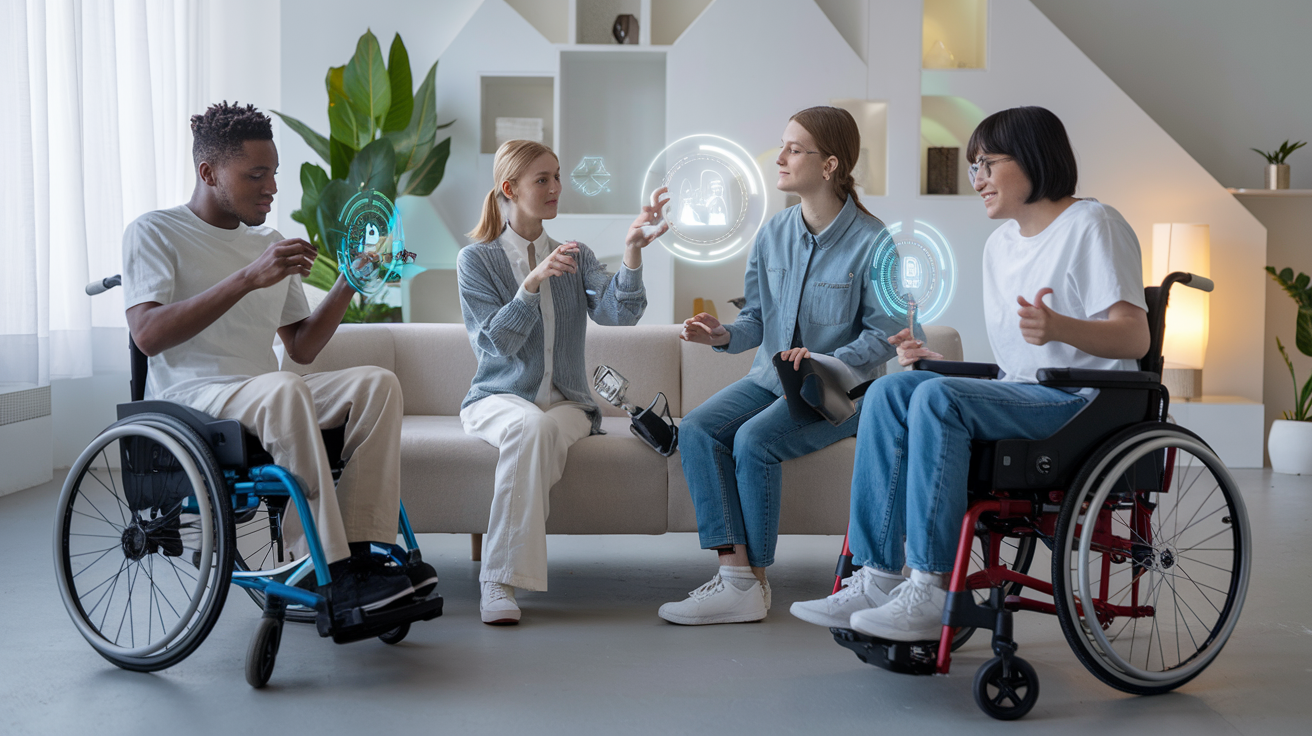
The tech world never sleeps, especially when it comes to assistive technologies. Right now, researchers are making huge breakthroughs with brain-computer interfaces that allow people with severe motor impairments to control devices using just their thoughts. No joke – we’re talking about typing emails and browsing the web with your mind.
Wearable tech is getting a massive upgrade too. Smart fabrics that can detect falls, monitor vital signs, and even administer medication are moving from sci-fi to reality. These aren’t bulky medical devices but sleek, comfortable clothes you’d actually want to wear.
AI is the real game-changer though. Machine learning algorithms now adapt to individual needs over time, learning your unique patterns and preferences. Imagine voice assistants that understand slurred speech perfectly or navigation apps that know exactly which routes are truly wheelchair accessible based on your specific chair dimensions.
B. Universal Design Principles in Mainstream Products
The coolest shift in the market? Assistive features are becoming standard in everyday products. Apple didn’t make accessibility a special feature – they baked it right into the core of iOS and macOS. And everyone benefits.
Look at what’s happening:
| Product | Universal Design Feature | Who Benefits |
|---|---|---|
| Smartphones | Voice control | Everyone with hands full, plus people with motor limitations |
| Kitchen appliances | Tactile buttons & audio feedback | Vision impaired users, but also people cooking in dim lighting |
| Video streaming | Auto-generated captions | Deaf community, language learners, and anyone in noisy environments |
Smart companies figured out that designing for disability often creates better products for everyone. The curb cut effect is real – those sidewalk ramps designed for wheelchairs help parents with strollers, travelers with luggage, and delivery workers too.
C. Ethical Considerations in Assistive Tech Development
The rush to innovate brings serious ethical questions we can’t ignore. Privacy concerns top the list – assistive devices collect incredibly intimate data. Who owns that information? How is it stored and protected?
Cost is another massive barrier. The most cutting-edge tech helps nobody if only the wealthy can afford it. Companies need to balance innovation with accessibility.
Then there’s the question of agency. Technology should enhance independence, not create new dependencies. The best assistive tech empowers users to make their own choices rather than making assumptions about what they “need.”
Representation matters tremendously in development. When disabled people aren’t in the room during design and testing, products miss the mark. Nothing about us without us isn’t just a slogan – it’s essential for creating truly useful technology.
D. Policy Changes Expanding Access to Assistive Technologies
Government policies are finally catching up with technological possibilities. Medicare and Medicaid have expanded coverage for a wider range of assistive devices, recognizing that independence actually saves healthcare dollars long-term.
The Assistive Technology Act got a major funding boost in 2024, pouring resources into state tech programs that provide equipment loans, demonstrations, and training. These programs let people try before they buy – crucial when devices cost thousands.
Tax incentives for companies developing universal design products are creating market motivation where moral arguments alone weren’t enough. When accessible design becomes profitable, innovation accelerates.
Schools have new mandates requiring assistive tech evaluations as part of IEPs (Individualized Education Programs), ensuring students don’t just have theoretical access but actual training and support using devices that could transform their educational experience.
E. Community-Driven Innovation and Customization
The open-source movement has revolutionized assistive tech. Online communities share 3D printing designs for custom wheelchair parts, modified gaming controllers, and specialized utensils – all at a fraction of commercial costs.
Makerspaces dedicated to accessibility projects have popped up nationwide, creating hubs where engineers, designers, and disabled users collaborate directly. This sidesteps the traditional R&D process that often prices out smaller communities with specific needs.
Hackathons focused on assistive technology have yielded remarkable innovations like eye-tracking systems built from ordinary webcams and customizable screen readers that understand industry-specific jargon.
The most exciting part? These grassroots innovations often get picked up by larger manufacturers who recognize their value, creating pathways from garage projects to mass production. Community-driven design ensures that products actually solve real problems experienced by real people.
The landscape of assistive technology has undergone remarkable transformation in 2025, with innovations that are truly reshaping lives. From adaptive communication devices to AI-powered mobility solutions, these technologies are not just tools—they’re gateways to independence, dignity, and fuller participation in society for people with disabilities. As we’ve explored, selecting the right assistive technology requires careful consideration of individual needs, preferences, and goals, but the reward is worth the effort: enhanced autonomy, improved social connections, and expanded opportunities.
As assistive technology continues to evolve, we’re witnessing the beginnings of a more inclusive world where disability presents fewer barriers to achievement and fulfillment. Whether you’re a person with a disability, a caregiver, an educator, or simply an ally, staying informed about these technological advances is crucial. The future holds even more promise—with personalized solutions, greater affordability, and seamless integration into everyday life on the horizon. The question is no longer what assistive technology can do, but rather, how quickly we can harness its potential to create a more accessible and equitable society for everyone.

Recent Post


Gallery









No Comments